
Skills & Tactics
← Back to all guidesNight Fishing Below Dams in Summer
Published on: June 23, 2026 · Approx. 8 minute read
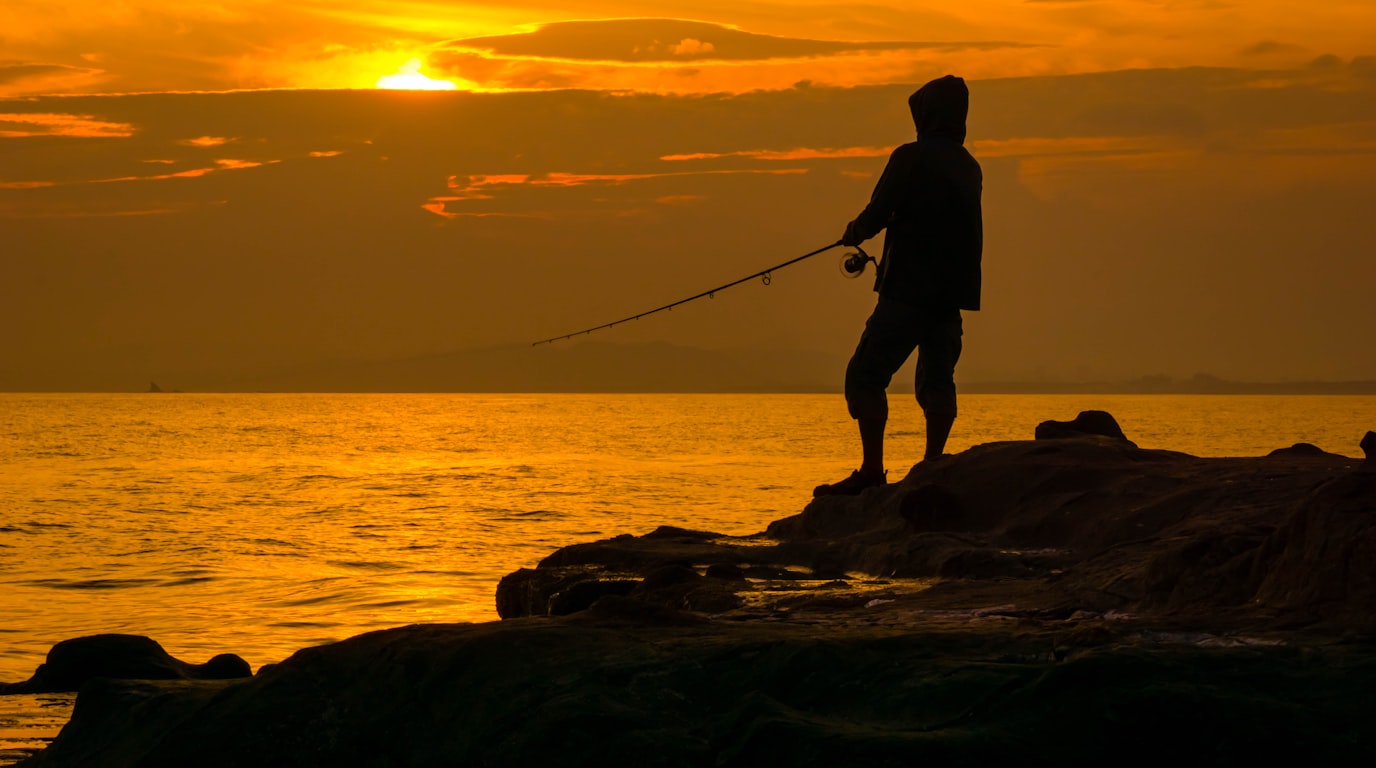
When summer heat shuts down the daytime bite, the smartest dam anglers don't go home — they wait for dark. Night fishing below dams in summer is one of the most reliable ways to catch big fish, with cooler temperatures, calmer water, and feeding fish that let their guard down after sunset.
This guide covers the skills you need to fish tailwaters safely and effectively after dark, from rigging and lighting to reading the nighttime bite.
Why Night Fishing Works So Well in Summer
- Cooler, more comfortable water — surface temps drop overnight, pulling active fish shallow and into reach.
- Reduced light and pressure — big, wary fish that avoid bright, busy daytime tailwaters roam and feed freely at night.
- Nighttime generation — many dams run turbines overnight to meet power demand, creating prime feeding current right when fish are most active.
Skill 1: Plan Around the Generation Schedule
The best night trips line up with moving water. Before you head out, check the Catch Dam Fish flow tools and look for:
- An overnight generation window — the current that turns on after dark triggers a strong feeding response.
- Stable, moderate flows — the safest and easiest condition to fish in the dark.
- Predictable on/off times — knowing exactly when water will rise lets you plan your position and exit before it gets dangerous.
Skill 2: Scout Your Spot in Daylight
Never fish a tailwater after dark that you haven't walked in the daylight first. Arrive before sunset to:
- Map the safe footing, drop-offs, and slippery rocks.
- Identify the current seams, eddies, and holes you'll target.
- Plan a clear, unobstructed exit route in case flows rise.
- Set up rod holders and gear while you can still see.
Skill 3: Light the Right Way
Lighting can make or break a night trip — too much spooks fish, too little is dangerous.
- Headlamp with a red mode — red light preserves your night vision and disturbs fish far less than white light.
- Keep beams off the water — point light at your hands and gear, not at the spot you're fishing.
- Submersible green lights — draw baitfish (and the predators that follow) when fishing from a boat or dock.
Skill 4: Adjust Baits and Presentation for the Dark
At night fish rely on vibration, silhouette, and scent more than sight. Lean into that:
- Dark, solid-colored lures — black and dark blue create the strongest silhouette against the night sky for predators looking up.
- Noise and vibration — spinnerbaits, Colorado blades, and rattling baits help fish find your lure in the dark.
- Cut and live bait for catfish — strong-scented baits shine after dark when channel cats and blues cruise the shallows.
- Slow down — work baits a little slower so fish can track and commit.
Skill 5: Read Bites by Feel
Without visual cues, your hands do the work at night. Keep a tight line, hold the rod (or watch a lighted bite indicator), and learn to tell the steady pull of current from the tap or thump of a real bite. Set the hook on anything that feels different — hesitation costs fish in the dark.
Night Safety Is Non-Negotiable
Tailwaters are hazardous in daylight and more so at night. Follow these rules every trip:
- Monitor live flow data throughout the night — a generation increase you can't see coming is the biggest risk.
- Always fish with a partner after dark; never go alone.
- Wear a life jacket any time you're near or in the water.
- Stay on shore during heavy generation and keep your exit route clear.
- Tell someone on land your exact location and return time.
Own the Night This Summer
While most anglers pack up at sunset, the ones who fish the dark hours around summer generation pulses catch the biggest fish of the season. Use the Catch Dam Fish dashboard to track overnight generation schedules at your local dam and dial in the windows that produce after dark.