
Skills & Tactics
← Back to all guidesEssential Dam Fishing Skills Every Angler Should Master
Published on: June 23, 2026 · Approx. 9 minute read
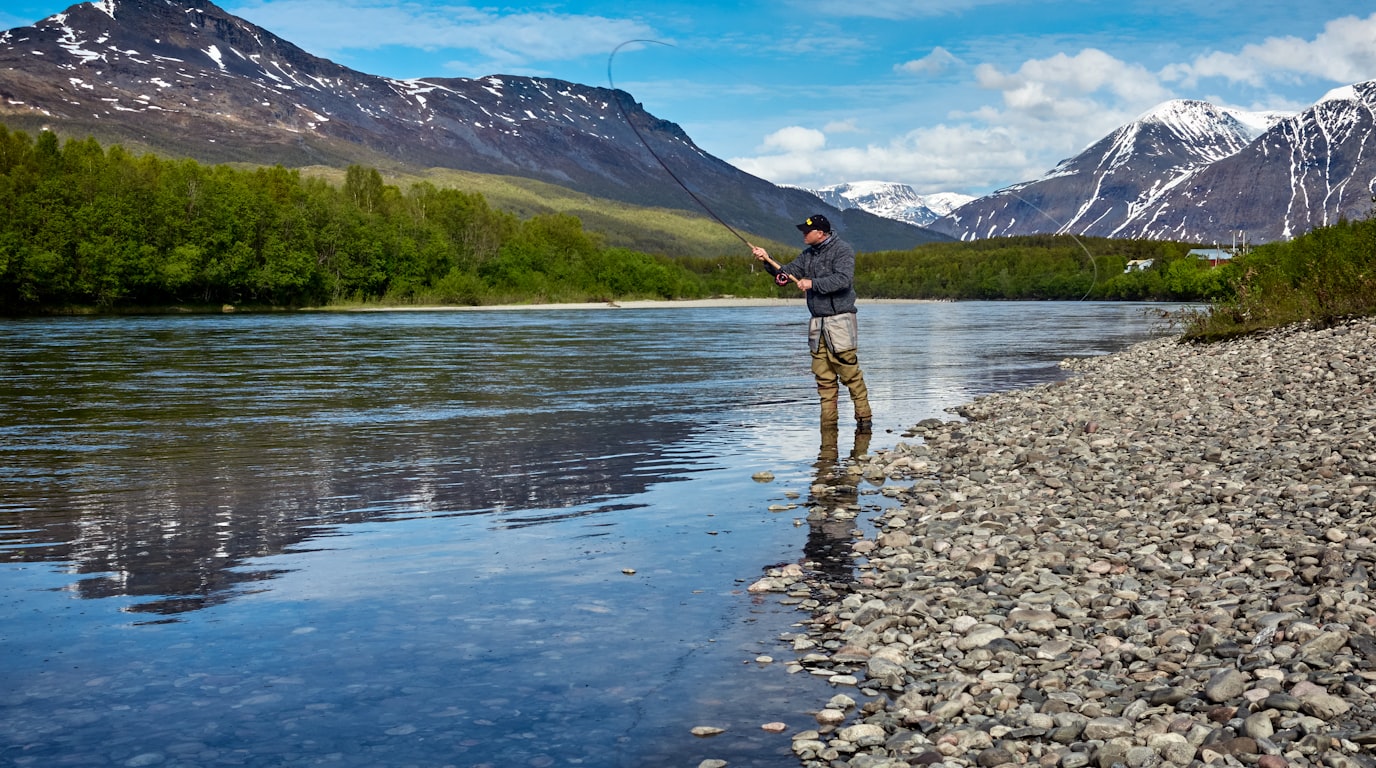
Fishing below a dam is a completely different game from fishing a calm lake or pond. The current is always changing, the structure is unforgiving, and the fish position themselves around moving water in ways that reward anglers who understand the system. Master a handful of core skills and you'll catch more fish, more safely, on every tailwater you visit.
This guide breaks down the foundational dam fishing skills — reading current, timing releases, presenting baits in moving water, and staying safe — so you can build real confidence below any dam.
Skill 1: Reading Current and Seams
The single most important skill in dam fishing is learning to read moving water. Fish are lazy and efficient — they hold in slower water right next to fast water so food drifts to them with minimal effort.
- Current seams — the visible line where fast water meets slow water. Gamefish stack on the slow side and dart out to grab passing baitfish.
- Eddies — circular slack water behind boulders, points, and wingdams. These are prime ambush spots, especially during heavy generation.
- Current breaks — anything that blocks flow (rocks, pilings, fallen trees) creates a soft pocket where fish rest and feed.
Skill 2: Timing the Water Release
Tailwater fish are conditioned to feed when the water moves. Knowing the generation schedule before you go is the difference between a slow day and a banner one. Use the Catch Dam Fish flow tools to check the pattern and plan your trip around these windows:
- The start of generation — rising current kicks up sediment and disorients baitfish, triggering an aggressive feeding window within the first hour.
- The fall after generation — as flow slows, fish slide into eddies to mop up stunned bait that drifts down.
- Stable flows — consistent moderate current keeps fish positioned predictably and is the easiest condition to fish.
Skill 3: Presenting Baits in Moving Water
A great spot does you no good if your presentation doesn't look natural in current. Two principles matter most:
- Match the drift — your bait should move at the same speed as the current, not faster or slower. A bait dragging against the flow looks unnatural and gets ignored.
- Cast up-current and work down — cast above your target and let the bait swing naturally into the strike zone, the way real food approaches a holding fish.
Skill 4: Choosing the Right Weight
Weight control separates beginners from consistent dam anglers. Too light and your bait sails past the fish; too heavy and it snags or looks unnatural.
- Start heavier, then lighten — in active generation, use enough weight to occasionally tick bottom, then back off until you get a natural drift.
- Flat or no-roll sinkers hold bottom in current far better than round egg sinkers that roll and snag.
- Adjust as flows change — what held bottom an hour ago may be too light once generation ramps up. Re-check constantly.
Skill 5: Working Structure Methodically
Dam tailwaters are full of structure — riprap, scour holes, boulders, and concrete. Fish them in order rather than randomly casting:
- Start with the closest, most obvious current break and work outward.
- Fan-cast each seam at several depths before moving on.
- When you catch a fish, slow down and pick that exact spot apart — where there's one, there are usually more.
Skill 6: Staying Safe in Changing Flows
The most important skill of all is knowing when not to fish. Dam releases can raise water levels several feet in minutes with no warning siren in some locations.
- Always check live flow data before and during your trip.
- Wear a life jacket any time you wade tailwater.
- Know your exit route and never get pinned against a cliff or deep channel.
- Tell someone your location and expected return time.
Putting the Skills Together
None of these skills work in isolation. The angler who consistently catches fish below dams reads the current, times the release, picks the right weight, and presents naturally — all while keeping one eye on safety. Practice them on every trip and they'll become second nature.
Use the Catch Dam Fish dashboard to track generation schedules at your local dam and build a log of which conditions produce your best days on the water.