
Patterns & Strategy
← Back to all guidesSpring Dam Fishing Patterns Below Dams
Published on: April 25, 2024 · Approx. 9 minute read
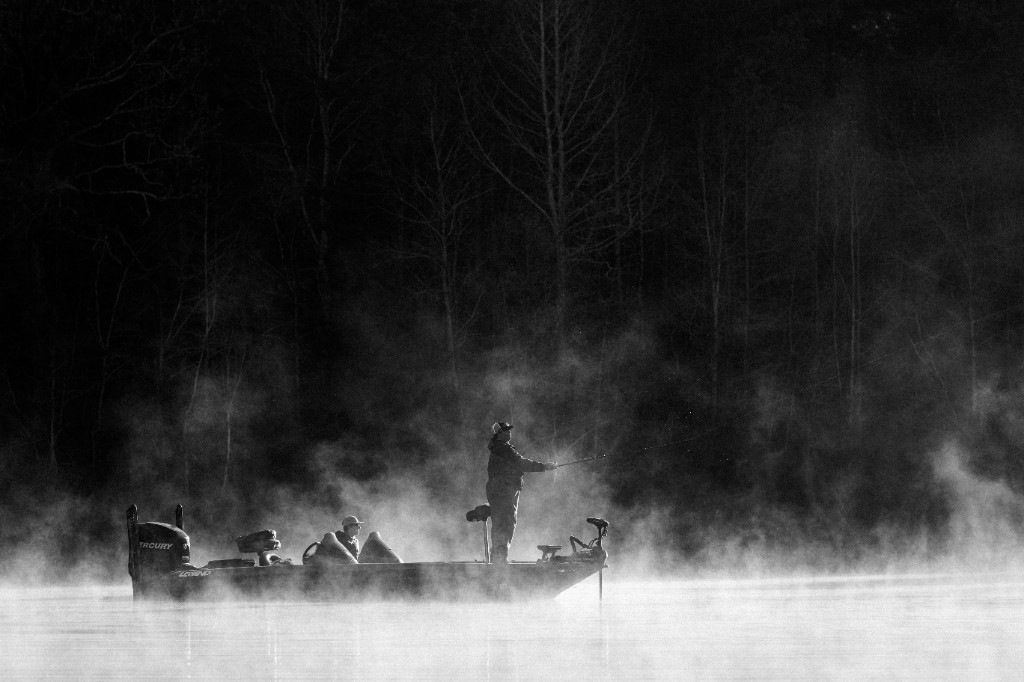
Tailwaters and dam outflows are some of the most consistent fisheries you can find—but they're far from static. Spring in particular brings fast changes in water temperature, flow, and fish behavior.
Focusing on spring patterns will help you know where fish are likely to be, what they're eating, and how aggressively they'll chase a bait as flows rise and fall.
Spring: Rising Flows and Feeding Windows
In many regions, spring brings a mix of snowmelt, rain, and rising reservoirs. Dams may run more water to manage levels, which can create some of the best big‑fish opportunities of the year.
Key spring patterns below dams:
- Warming trends: 3–5 days of gradually warming water often trigger strong bites.
- Rising but stable flows: Slightly elevated but steady water moves baitfish and positions predators on current seams, eddies, and soft edges.
- Pre‑spawn movement: Bass and other species slide toward traditional spawning areas in backwaters and side channels when conditions line up.
The Catch Dam Fish release charts make it easy to spot those “rising but stable” windows at a glance.
Summer: Cold Tailwater Advantage
During the hottest months, dams that pull water from deep in a reservoir can create cold, oxygen‑rich outflows that stay productive even when nearby lakes and rivers feel cooked.
Typical summer behavior around dams:
- Generation timing: Power demand often peaks in late afternoon and early evening, which can create predictable feeding windows tied to rising water.
- Shade and current: Fish gravitate toward seams, bridge shadows, and areas where cool water mixes with warmer tributaries.
- Low‑light feeding: Dawn, dusk, and overcast days are prime times when flows and light levels align.
Summer is also when safe water level decisions matter most, as sudden releases can catch anglers off guard.
Fall: Baitfish and Drawdowns
As air and water temperatures begin to drop, many reservoirs go through a drawdown period where water is gradually released to prepare for winter and spring inflows.
How that affects your fishing:
- Bait migrations: Shad and other forage often migrate toward dam areas, concentrating predators below.
- Channel edges: Falling water tends to pull fish off shallow flats and onto defined breaks and ledges.
- Reaction bites: Crankbaits, swimbaits, and jigs fished on current breaks can be deadly when flows are moderate.
Use your Catch Dam Fish dashboard to compare current drawdown patterns to previous years so you can time your fall trips around the most productive windows.
Winter: Slow and Subtle
Winter fishing below dams rewards anglers who are patient and precise. Cold water slows metabolism, but the steady temperatures in many tailwaters keep fish catchable all season.
Winter patterns to focus on:
- Stable, low flows: Big swings in CFS often shut fish down; slow and steady wins.
- Deep, slow water: Holes, tailouts, and soft pockets near the bottom hold wintering fish.
- Subtle presentations: Jigs, hair jigs, and natural plastics fished slowly close to the bottom excel.
Pay attention to how flows change when operators run short bursts of generation for power demand. Sometimes a slight bump in current can spark a brief feeding window even in the coldest conditions.
Putting It Together with Flow Data
The real magic happens when you combine seasonal patterns with live water release data. For each season, ask:
- Are flows rising, falling, or stable today?
- How does today's flow compare to my personal log of good days?
- Which likely holding areas match those flows right now?
That's exactly what Catch Dam Fish is built for: turning raw numbers into a clear picture of when and where to fish around dams.
Next Steps: Match Articles to the Season You're In
To go deeper, check out these related guides:
- How to Read Dam Water Release Charts (Step‑by‑Step)
- Safest Water Levels for Bank Fishing Below Dams
- Top 5 Dams for Bass Fishing in the US
When you're ready to put all of this into practice, create your free Catch Dam Fish account and start tracking your favorite dams by season, flow, and bite quality.