
Safety First
← Back to all guidesSafest Water Levels for Bank Fishing Below Dams
Published on: April 2, 2024 · Approx. 7 minute read
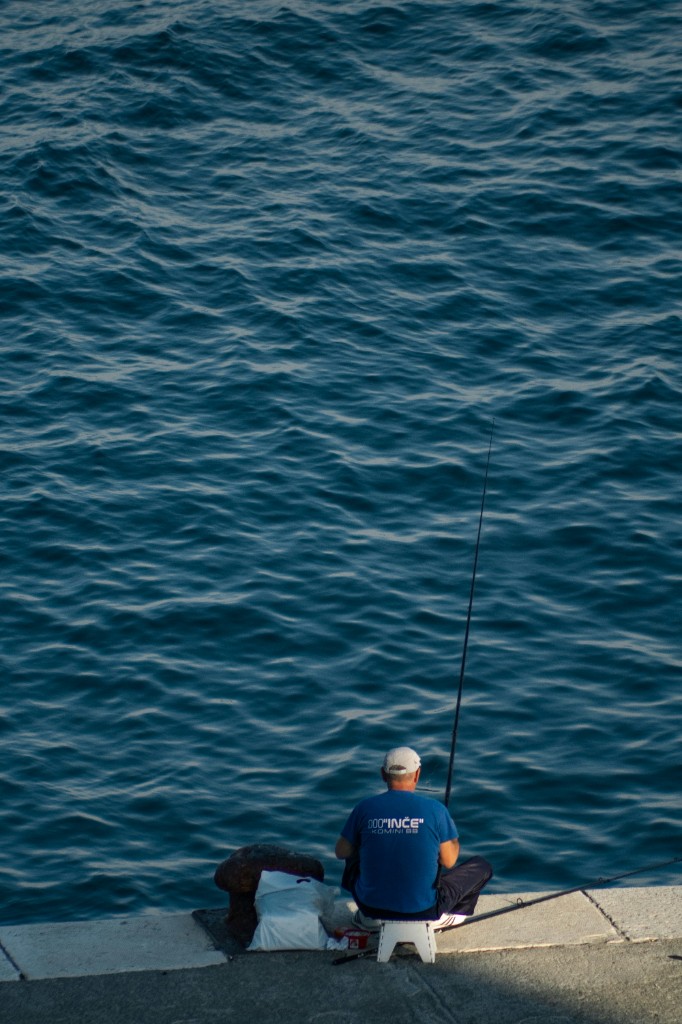
Fishing below a dam can be incredibly productive—but it's also one of the most dynamic and dangerous environments you can step into. The same water that stacks baitfish and predators together can rise feet in minutes when gates open or turbines start.
This article is designed to give you practical safety guidelines you can combine with your local knowledge and regulations. Always obey warning signs, sirens, and posted closures. When in doubt, don't go.
There Is No Single "Safe Number"
The first myth to kill: there is no magical CFS or gauge height that is safe at every dam. A flow that is ankle‑deep at a wide, gradual tailwater might be chest‑deep and deadly in a narrow, steep‑banked gorge.
Instead, focus on:
- The shape of the river below the dam.
- How quickly water levels respond to releases.
- How much room you have to move to higher ground.
Use tools like the Catch Dam Fish flow charts to learn how your home dam behaves at different levels, and pair that with cautious exploration.
Green Zone: Comfortable, Conservative Levels
For most anglers, the safest place to start is a conservative “green zone” where:
- Current is slow enough to stand still without bracing hard.
- Depth stays well below your waist in the main areas you fish.
- You can easily walk back to the bank even if flows rise a bit.
Locals often have rules of thumb like “Under 1,500 CFS is easy wading; 1,500–2,500 CFS is advanced only; over 2,500 stay on shore.” Ask around and treat these numbers as an upper bound, not a challenge.
Yellow Zone: Experienced Anglers Only
As flows rise into your personal “yellow zone,” you might still be able to fish effectively, but:
- Soft spots become pushy and unpredictable.
- Wading lanes shrink or disappear.
- Falling or slipping has more severe consequences.
If you choose to fish in these conditions, stick to:
- Shoreline eddies where you're never more than a few steps from dry ground.
- Well‑known routes you've fished dozens of times at lower flows.
- Fishing with a partner who can help in an emergency.
Red Zone: When to Walk Away
Some days the safest and smartest decision is simply: not today. Your dam might be in the “red zone” when:
- Flows are well above what you've safely fished before.
- Charts show rapid spikes or frequent gate changes.
- Water is high and muddy, with debris and logs coming through.
- Warning sirens, lights, or signs indicate hazardous conditions.
On those days, re‑route your trip: fish a tributary, a lake, or even spend time scouting new bank access for future low‑flow days.
How to Use CFS and Stage Safely
Once you have a sense of the river's shape, you can start to tie it to the numbers on the chart:
- Log flows after every trip using the Catch Dam Fish dashboard.
- Write simple notes like “Comfortable ankle‑to‑knee deep gravel bars at 1,200 CFS.”
- Watch how stage and CFS change when a single turbine unit starts up.
Over time, you'll build a personalized table of green / yellow / red ranges that makes it easy to decide in seconds whether today looks safe.
Bank Fishing vs. Wading: Different Risk Profiles
Bank fishing gives you more margin for error than wading, but it's not risk‑free. Keep an eye on:
- Low spots and islands that can become surrounded or cut off by rising water.
- Steep, slippery banks where a fall could slide you into deep current.
- Night fishing, where it's harder to visually track rising water.
Even from the bank, make a habit of picking multiple escape routes and checking them visually every 10–15 minutes when flows are changing.
Safety Gear That's Worth Carrying
At minimum, strongly consider:
- A properly fitted PFD (life jacket).
- A sturdy wading staff if you ever step into the water.
- Studded boots or traction devices for slick rock and moss.
- A small waterproof first‑aid kit.
The goal isn't to be scared of dams—it's to give yourself layers of safety so you can enjoy the incredible fishing they offer for decades to come.
Make Safer Choices with Better Information
The more you track flows, the easier it becomes to make smart go/no‑go decisions. Catch Dam Fish helps by centralizing water release data, creating simple visualizations, and letting you save your favorite dams.
If you're ready to build your own green / yellow / red system for your local tailwaters, start by setting up your free account: